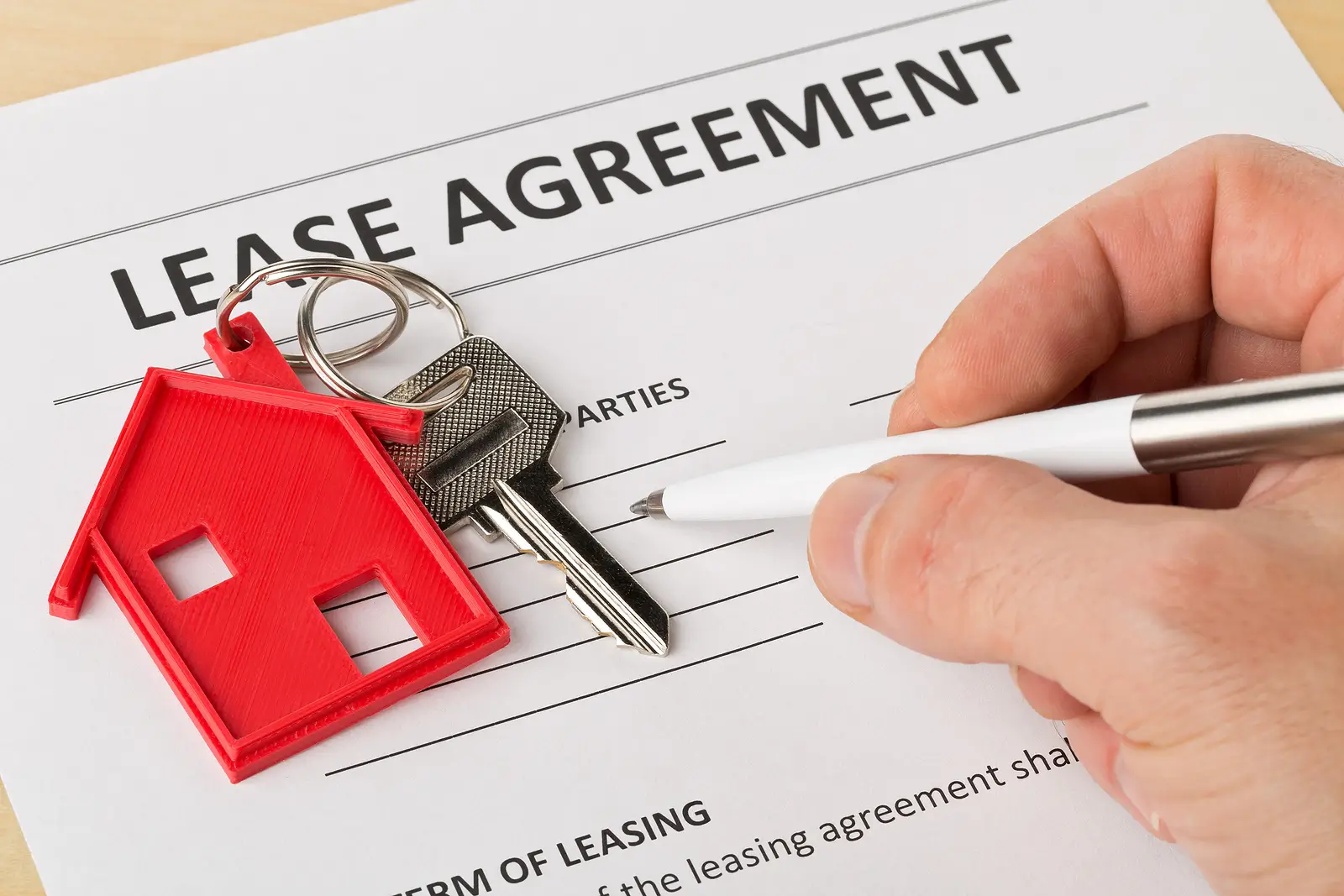
Every landlord and property investor knows that finding a reliable tenant takes time, effort, and a bit of patience. But what’s often overlooked is how much more valuable it is to keep that tenant once you’ve found them. A well-maintained tenancy can bring stability, predictable income, and fewer operational headaches, while frequent turnover tends to have the opposite effect.
That’s where effective lease renewal strategies come into play. Retaining great tenants isn’t just about convenience; it’s a deliberate approach that combines communication, service, and smart decision-making.
Key Takeaways
- Retaining good tenants is far more cost-effective than constantly finding new ones
- Clear communication and timely engagement are critical for successful renewals
- Strategic incentives can increase tenant satisfaction and loyalty
- Proactive property management helps prevent turnover before it starts
- Flexibility and understanding tenant needs can significantly improve retention
Why Tenant Retention Is the Real Profit Driver
Many landlords focus heavily on filling vacancies, but the real win lies in reducing them altogether. Every time a tenant leaves, you’re not just losing rent; you’re also taking on turnover costs like cleaning, repairs, advertising, and tenant screening.
Long-term tenants bring stability. They reduce risk, improve cash flow predictability, and often take better care of the property. From an investor’s perspective, a property with high tenant retention is simply more valuable.
But keeping tenants isn’t just about offering a competitive rental price. It’s about building a relationship and delivering consistent value.
Start Early: Renewal Conversations Shouldn’t Be Last-Minute
One of the biggest mistakes landlords make is waiting until the lease is about to expire before discussing renewal. By then, tenants may already be browsing listings or considering their options.
We recommend starting the conversation 60 to 90 days before lease expiration. This gives both parties time to discuss terms, address concerns, and explore options without pressure.
Early communication also sends a strong message: you value this tenant and want them to stay. That alone can make a big difference.
Make It Easy to Say “Yes”
Renewals should feel simple, not stressful. Complicated processes, unclear terms, or delays can frustrate tenants and push them toward moving out.
Here’s how to streamline the experience:
- Provide clear renewal options (e.g., 6-month vs. 12-month terms)
- Communicate any rent adjustments transparently
- Offer digital signing for convenience
- Be responsive to questions or concerns
When the process is smooth, tenants are far more likely to renew without hesitation.
Strategic Incentives That Actually Work
Sometimes, a small gesture can make a big impact. Offering incentives doesn’t mean sacrificing profitability; it means investing in retention.
Effective renewal incentives include:
- Minor upgrades (fresh paint, new fixtures, or appliances)
- Rent discounts for longer lease commitments
- Flexible lease terms
- Waived fees (such as renewal or maintenance charges)
The key is to align incentives with what tenants actually value. A modest improvement in living conditions often outweighs a small rent increase.
Keep Rent Increases Reasonable and Justified
Raising rent is sometimes necessary, but how you do it matters.
Unexpected or steep increases can drive even the best tenants away. Instead, aim for gradual, market-aligned adjustments. When you do increase rent, communicate the reasons clearly, whether it’s due to market trends, property improvements, or rising operational costs.
Transparency builds trust. Tenants are more likely to accept a fair increase when they understand the rationale behind it.
Maintenance: The Silent Retention Strategy
Nothing pushes tenants out faster than unresolved maintenance issues. On the flip side, prompt and professional maintenance is one of the strongest drivers of tenant satisfaction.
Think about it from the tenant’s perspective: if their concerns are addressed quickly and effectively, they feel valued and respected.
Best practices include:
- Responding to maintenance requests promptly
- Conducting regular property inspections
- Preventing issues before they escalate
- Communicating timelines clearly
Consistent upkeep not only protects your property, but it also strengthens tenant relationships.
Build Relationships, Not Just Agreements
At its core, lease renewal is about people. Tenants are more likely to stay when they feel heard, respected, and appreciated.
Simple actions can go a long way:
- Check in periodically (without being intrusive)
- Acknowledge lease anniversaries
- Show appreciation for on-time payments or long-term tenancy
- Address concerns with empathy
You don’t need grand gestures, just consistent, thoughtful communication.
Flexibility Is the New Competitive Advantage
Today’s renters value flexibility more than ever. Whether it’s remote work, lifestyle changes, or financial considerations, tenant needs are evolving.
Offering flexible lease terms or accommodating reasonable requests can set you apart from other landlords. For example:
- Allowing short-term extensions
- Offering month-to-month options after a fixed term
- Being open to minor customizations in the unit
Flexibility shows that you’re willing to work with tenants, not against them.
Know When to Let Go
Not every tenant is worth keeping. While retention is important, it shouldn’t come at the expense of your property or peace of mind.
Late payments, repeated lease violations, or poor property care are signs that it may be time to move on. A strong lease renewal strategy includes knowing when not to renew.
Balancing retention with quality tenant standards is key to long-term success.
Using Data to Improve Renewal Rates
Smart property management isn’t just reactive, it’s strategic. Tracking key metrics can help you refine your approach over time.
Important data points include:
- Renewal rates
- Average tenancy duration
- Reasons for tenant turnover
- Maintenance response times
Analyzing these insights allows you to identify patterns and make informed decisions that improve retention.
Frequently Asked Questions
1. When is the best time to offer a lease renewal?
The ideal time is 60 to 90 days before the lease expires. This gives tenants enough time to consider their options while allowing you to plan ahead.
2. Should I always offer incentives for lease renewals?
Not necessarily. Incentives work best for high-quality tenants you want to retain. The goal is to add value without significantly reducing profitability.
3. How much should I increase the rent during renewal?
Rent increases should align with market rates and be gradual. Sudden, large increases can lead to tenant turnover, which is often more costly.
4. What are the biggest reasons tenants choose not to renew?
Common reasons include high rent increases, poor maintenance, lack of communication, and better alternatives in the market.
5. Can professional property management improve tenant retention?
Yes. Experienced property managers use proven systems, communication strategies, and market insights to keep tenants satisfied and reduce turnover.
Turn Renewals Into Long-Term Wins
Keeping great tenants isn’t about chance; it’s about consistency, clear communication, and delivering real value over time. When you approach lease renewals strategically, you reduce vacancies, protect your income, and build stronger relationships with the people living in your property.
Working with an experienced team can make that process even more effective. At Axela Management, we focus on helping landlords and investors implement smart, tenant-focused strategies that improve retention and simplify operations.
If you’re looking to strengthen your lease renewal approach and maximize long-term returns, explore your options or schedule a free consultation that understands what it takes to keep great tenants right where they are.