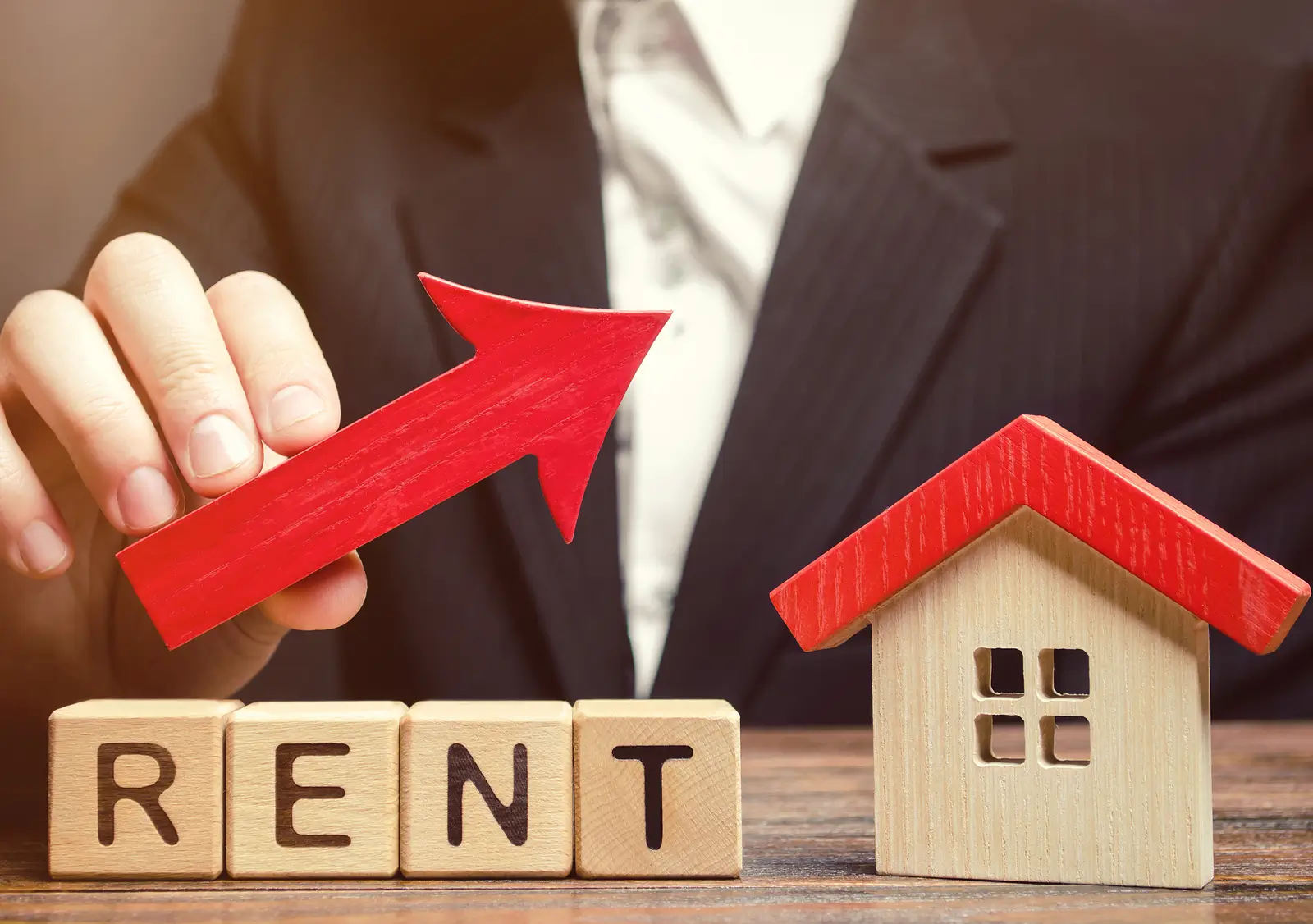
You know that feeling when you check property prices “just out of curiosity” and suddenly question all your life decisions? One minute you’re browsing listings for fun, the next minute you’re wondering if that tiny studio is secretly made of gold. Property values have been climbing steadily, and in 2026, they’re a defining factor in how landlords, investors, and even tenants approach rentals.
The good news? Rising property values don’t have to be intimidating. In fact, when you understand how they influence the rental market, they can become a powerful tool for building smarter, more profitable strategies.
Key Takeaways
- Rising property values can increase rental income potential, but also come with higher costs and expectations
- Strategic pricing is essential to stay competitive while maximizing returns
- Tenant expectations rise alongside property values, requiring better service and amenities
- Investors must balance appreciation gains with cash flow realities
- Professional property management can help navigate complex market shifts
Why Property Values Are More Than Just a Number
Property value isn’t just a figure on paper; it influences nearly every aspect of your rental strategy. As values rise, so do expectations, risks, and opportunities.
For landlords and investors, higher property values often signal stronger demand. This can justify higher rental rates, improve equity, and create long-term wealth. But it also increases property taxes, insurance costs, and maintenance expectations.
For tenants, rising values usually translate to higher rents and more competition. This shifts the dynamic of what renters are willing to pay and what they expect in return.
In short, property values act like a ripple effect across the entire rental ecosystem.
The Upside: Turning Appreciation Into Opportunity
Let’s start with the obvious benefit: higher property values can significantly boost your earning potential.
1. Increased Rental Income
As property values rise, so do rental rates. Markets often adjust accordingly, allowing landlords to charge more, especially in high-demand areas.
This doesn’t mean you should automatically raise rent to the maximum. Smart pricing considers:
- Local market trends
- Comparable properties
- Tenant retention goals
A balanced approach helps you stay competitive while still benefiting from appreciation.
2. Stronger Equity Position
Higher property values increase your equity, which opens doors for:
- Refinancing opportunities
- Portfolio expansion
- Access to better financing terms
This is where long-term investors really win. Appreciation isn’t just about today’s rent, it’s about tomorrow’s growth.
3. Attracting Higher-Quality Tenants
As rental prices increase, so does the tenant pool’s profile. Higher rents often attract tenants who:
- Have a stable income
- Value well-maintained properties
- Are more likely to stay long-term
This can reduce turnover and improve overall property performance.
The Flip Side: Challenges You Can’t Ignore
Of course, rising property values aren’t all upside. They come with real challenges that require careful planning.
1. Higher Operating Costs
Increased property values often lead to:
- Higher property taxes
- Increased insurance premiums
- Rising maintenance and repair costs
These expenses can eat into your profit margins if not managed properly.
2. Pricing Pressure and Competition
Just because property values are high doesn’t mean tenants will accept any price. Overpricing can lead to:
- Longer vacancies
- Increased marketing costs
- Missed income opportunities
The key is finding that “sweet spot” where your rent reflects value without pushing tenants away.
3. Tenant Affordability Concerns
As rents rise, affordability becomes a real issue. This can lead to:
- Higher tenant turnover
- Increased payment delays
- A smaller pool of qualified renters
Understanding your target market and offering flexible solutions can help mitigate these risks.
Smarter Pricing in a High-Value Market
Setting the right rental price in 2026 requires more than guesswork it requires strategy.
Know Your Market Inside and Out
Look beyond national trends. Focus on:
- Neighborhood-level data
- Comparable listings
- Seasonal demand patterns
Local insights are what truly drive rental success.
Think Long-Term, Not Just Monthly Gains
It might be tempting to push rent as high as possible, but consistent occupancy often beats short-term spikes. A slightly lower rent with reliable tenants can outperform a higher rent with frequent vacancies.
Adjust Dynamically
Markets change quickly. Be ready to:
- Adjust pricing based on demand
- Offer incentives during slower periods
- Reevaluate annually
Flexibility is a competitive advantage.
Elevating the Tenant Experience
As property values rise, so do tenant expectations. Renters are no longer just looking for a place to live; they’re looking for value.
What Tenants Expect in 2026
- Modern amenities and updated interiors
- Fast response to maintenance requests
- Transparent communication
- Flexible lease options
Meeting these expectations isn’t just about keeping tenants happy; it’s about protecting your investment.
Small Upgrades, Big Impact
You don’t always need major renovations. Simple improvements like:
- Fresh paint
- Updated fixtures
- Smart home features
can significantly increase perceived value and justify higher rent.
Balancing Cash Flow and Appreciation
One of the biggest strategic decisions investors face is how to balance immediate cash flow with long-term appreciation.
In high-value markets, properties may generate lower monthly returns but offer strong appreciation potential. In contrast, lower-value markets might provide better cash flow but slower growth.
The ideal strategy often involves diversification:
- Mix high-appreciation properties with strong cash-flow assets
- Evaluate each property’s role in your portfolio
- Align investments with your financial goals
Understanding this balance is key to sustainable success.
The Role of Professional Property Management
Managing rentals in a rising-value market isn’t just more profitable, it’s more complex.
From pricing and tenant screening to maintenance and compliance, every decision carries more weight. This is where professional property management can make a difference.
A skilled property management team can help you:
- Set competitive, data-driven rental rates
- Reduce vacancy periods
- Handle tenant relations effectively
- Maintain your property to high standards
This not only protects your investment but also frees up your time to focus on growth.
Frequently Asked Questions
1. Should I always increase rent when property values rise?
Not necessarily. While rising values often justify higher rent, increases should be based on market demand, tenant retention goals, and comparable properties. Overpricing can lead to vacancies.
2. How do rising property values affect tenants?
Tenants may face higher rent and increased competition. However, they may also benefit from better-maintained properties and improved amenities as landlords invest more into their assets.
3. Is it still worth investing in high-value markets?
Yes, but it depends on your strategy. High-value markets often offer strong appreciation but lower cash flow. Investors should evaluate their financial goals before committing.
4. How can I stay competitive in a high-priced rental market?
Focus on value. Competitive pricing, good property condition, and excellent tenant service can set your property apart even in expensive markets.
5. What’s the biggest mistake landlords make in rising markets?
Many landlords overestimate what tenants are willing to pay. Ignoring market data and tenant expectations can lead to longer vacancies and reduced income.
Position Your Rental Strategy for Long-Term Success
Rising property values in 2026 are more than just a trend; they’re a signal that the rental market is evolving. For landlords and investors, this creates both opportunity and responsibility.
Success in this environment comes down to balance:
- Pricing strategically
- Managing costs effectively
- Delivering value to tenants
- Planning for both short-term income and long-term growth
Navigating these changes doesn’t have to be overwhelming. With the right approach and the right support, you can turn rising property values into a powerful advantage.
At Axela Management, we help property owners adapt to shifting markets with confidence. From optimizing rental pricing to delivering exceptional tenant experiences, our team is here to help you make smarter decisions and maximize your investment potential.
Ready to take your rental strategy to the next level? Explore our services or connect with our team for a free consultation today.